
DISCLAIMER
Please note: The information contained in this section is restricted to medical and healthcare practitioners for general education and information purpose only

 By MeftalFeb 23, 2026 at 01:19 pm
https://www.meftal.com/clinical-studies
Fever and pain are among the most common reasons for pediatric consultations, requiring effective and safe management strategies. Mefenamic acid, a well‑established NSAID, offers unique advantages through preferential COX2 inhibition, EP receptor blockade, and NLRP3 inflammasome inhibition, allowing it to address both inflammatory and non‑inflammatory fevers.
Despite its efficacy, limited pediatric‑specific guidance and perceived safety concerns have restricted its broader use. This consensus, developed through a modified Delphi process involving 21 pediatric experts across India, reviews current evidence on the safety, efficacy, and clinical role of mefenamic acid.
Key findings highlight its superior antipyretic efficacy compared with paracetamol and ibuprofen, potential antiviral activity and possible role in febrile seizures and inflammatory conditions. While safe when used appropriately, further research is needed to strengthen long‑term safety data and expand its therapeutic applications.
This consensus provides a comprehensive framework for optimizing the use of mefenamic acid in pediatric practice, ensuring improved patient outcomes.
1. Mefenamic acid, an NSAID, uniquely inhibits COX2, EP receptors and NLRP3 inflammasome—delivering comprehensive therapeutic action
Level of Agreement: 100%
2. Recommended dose of Mefenamic acid : 5 mg/kg every 8 hours; suspension is preferred for children below 12 years.
Level of Agreement: 95%
3. Mefenamic acid weight-based dosing ensures safety and avoids over- or under-dosing.
Level of Agreement: 95%
4. Mefenamic acid is effective in pediatric febrile illness, offering fast and sustained symptom relief.
Level of Agreement: 100%
5. Mefenamic acid offers faster onset and longer antipyretic effect compared to paracetamol and ibuprofen.
Level of Agreement: 90%
6. Mefenamic acid sustained antipyretic action for 8 hours reduces dosing frequency, improves compliance and stable fever control.
Level of Agreement: 85%
7. Mefenamic acid Broad-spectrum action makes it suitable for varied pediatric pain conditions.
Level of Agreement: 85%
8. Mefenamic acid is preferred drug for dysmenorrhea and menorrhagia in adolescent girls.
Level of Agreement: 100%
9. Mefenamic acid is preferred over ibuprofen in asthmatic children for fever and pain.
Level of Agreement: 85%
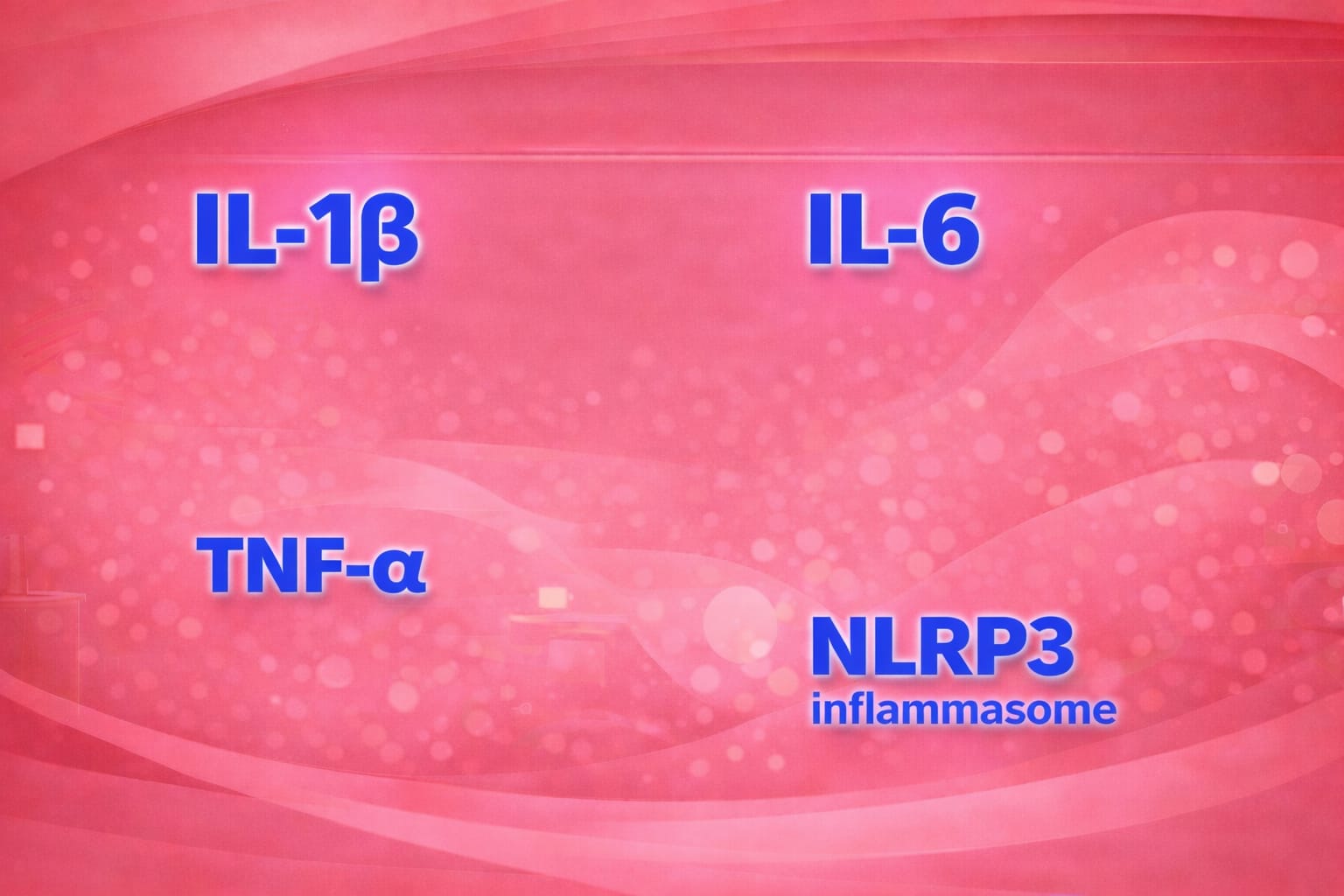
10. NLRP3 inflammasome inhibition & reduction of IL-1β by mefenamic acid shows potential for managing febrile seizures and FIRES.
Level of Agreement: 85%
11. Mefenamic acid shows antiviral activity against dengue and chikungunya viruses.
Level of Agreement: 100%
12. Mefenamic acid may be used as antipyretic therapy in dengue with lower bleeding risk vs. ibuprofen.
Level of Agreement: 75%
13. COX2 selectivity of mefenamic acid lowers GI risks vs. non-selective NSAIDs.
Level of Agreement: 85%
14. Administration of mefenamic acid with food and hydration reduces GI side effects.
Level of Agreement: 100%
This consensus paper presents a clear framework for the safe and effective use of mefenamic acid in pediatric care. It underscores the drug’s sustained antipyretic and analgesic effects, driven by its preferential COX2 inhibition, EP receptor blockade, and NLRP3 inflammasome inhibition. Emerging data also indicate potential benefits in conditions such as febrile seizures and viral infections.
Key gaps remain, including limited large‑scale pediatric studies and persistent safety misconceptions. Robust trials especially in children aged six months to five years, along with standardized outcome measures and long‑term safety tracking are essential.
Reference: Pai U, Venkata R A, Shah A, et al. Cureus. 2025; 17(7) : 1-19
MEFTAL-P Suspension is indicated for the symptomatic treatment of fever in children above 6 months of age.
URL Reference: https://www.meftal.com/product/meftal-p-mefenamic-acid-suspension


https://www.meftal.com/clinical-studies Established Safety Record Mefenamic acid has a well-establ...
Read More

https://www.meftal.com/clinical-studies A concise update for healthcare professionals Introduction...
Read More
https://www.meftal.com/clinical-studies Safety remains a primary concern for pediatricians when sel...
Read More
https://www.meftal.com/clinical-studies Introduction Fever is a regulated physiological response t...
Read More


 Pediatric Dosage Calculator*