
DISCLAIMER
Please note: The information contained in this section is restricted to medical and healthcare practitioners for general education and information purpose only

 By MeftalMar 06, 2026 at 09:25 am
https://www.meftal.com/clinical-studies
Fever is a regulated physiological response to infection and inflammation, mediated by complex interactions between exogenous pyrogens, endogenous immune mediators, and the central nervous system. It serves as a protective mechanism to enhance immune efficiency; however, excessive inflammatory activation may result in clinical complications such as discomfort, inflammation, and febrile seizures. Among antipyretics, mefenamic acid has demonstrated significant efficacy due to its dual anti‑inflammatory and cytokine‑modulating effects.
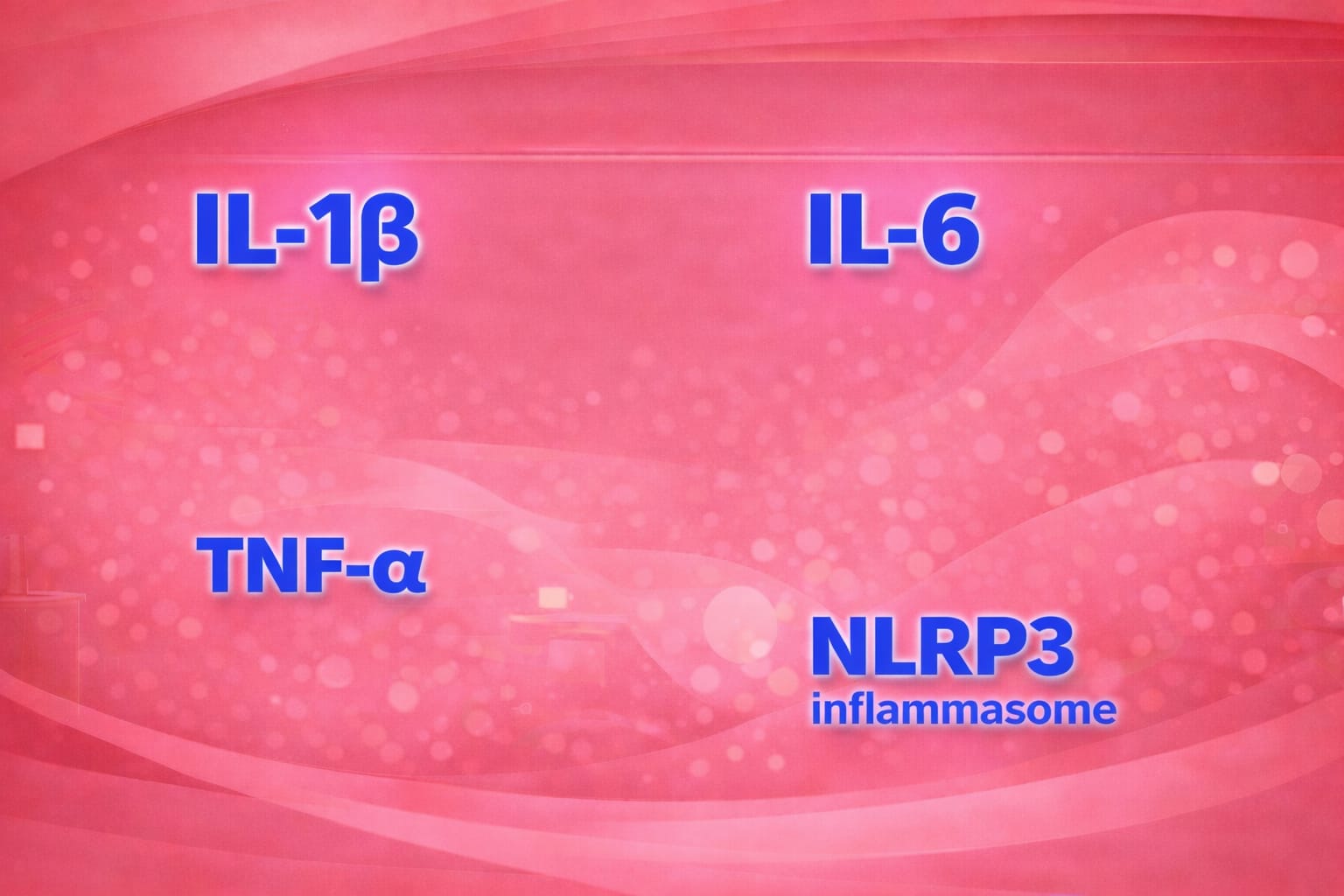
Fever begins when exogenous pyrogens, such as bacterial endotoxins, viral particles, or inflammatory stimuli, activate immune cells including macrophages and monocytes. These immune cells release endogenous pyrogenic cytokines, particularly interleukin‑1 beta (IL‑1β), interleukin‑6 (IL‑6) and tumor necrosis factor‑alpha (TNF‑α). These cytokines play a central role in initiating and amplifying the febrile response. Circulating IL‑1β, IL‑6, and TNF‑α act on the hypothalamic thermoregulatory center either directly or indirectly by stimulating prostaglandin E2 (PGE2) synthesis through activation of cyclooxygenase pathways. PGE2 elevates the hypothalamic set point, triggering physiological responses such as vasoconstriction, shivering and increased metabolic heat production resulting in fever. In addition to systemic effects, IL‑1β has direct neuroinflammatory and pro‑convulsant properties, linking inflammatory fever with neurological complications such as febrile seizures. Persistent or excessive cytokine activation may therefore contribute to inflammatory amplification and neurological vulnerability.
The NLRP3 inflammasome is a multiprotein intracellular complex that plays a critical role in innate immune activation. Upon exposure to inflammatory stimuli, the NLRP3 inflammasome activates caspase‑1 which subsequently converts inactive pro‑IL‑1β into its active form IL‑1β. This leads to amplification of inflammatory signaling and propagation of fever. Clinical and experimental evidence indicates that excessive activation of the NLRP3 inflammasome is associated with elevated IL‑1β levels and increased risk of febrile seizures. IL‑1β acts as a pro‑epileptogenic cytokine by enhancing neuronal excitability and lowering seizure threshold. Therefore, inhibition of NLRP3 inflammasome activation represents a critical therapeutic target for controlling inflammatory fever and preventing febrile seizure complications.
Mefenamic acid exerts its antipyretic effects through multiple complementary mechanisms. Primarily mefenamic acid inhibits cyclooxygenase (COX) enzymes, reducing the synthesis of prostaglandin E2 and thereby lowering the hypothalamic temperature set point. Mefenamic acid blocks the E-type prostanoid (EP) receptors, thus inhibiting the pre-formed prostaglandins. Hence, it has a prominent action on all the fever producing pathways. This results in effective temperature normalization and relief from fever‑associated symptoms such as pain, myalgia, and discomfort. Importantly, mefenamic acid also demonstrates a unique anti‑inflammatory mechanism independent of COX inhibition. Mefenamic acid inhibits the NLRP3 inflammasome by blocking membrane ion channels involved in inflammasome activation. This action prevents excessive activation of caspase‑1 and reduces the release of IL‑1β a key driver of inflammatory fever and neuronal excitability. By suppressing IL‑1β, IL‑6, and TNF‑α mediated inflammatory pathways, mefenamic acid not only reduces fever but also controls the underlying inflammatory process contributing to disease progression.
Excessive IL‑1β production, driven by NLRP3 inflammasome activation is a major contributing factor in the development of febrile seizures. By inhibiting NLRP3 inflammasome activation, mefenamic acid effectively prevents the excessive release of IL‑1β. This mechanism reduces neuroinflammation, stabilizes neuronal excitability and helps prevent febrile seizure occurrence. This unique cytokine‑modulating and inflammasome‑inhibiting action distinguishes mefenamic acid from conventional antipyretics, which primarily act through prostaglandin inhibition alone. Therefore, mefenamic acid offers both symptomatic fever relief and targeted control of inflammatory mechanisms associated with febrile complications.
Mefenamic acid provides comprehensive fever management through dual central and peripheral mechanisms. It effectively reduces prostaglandin‑mediated thermoregulation and suppresses cytokine‑mediated inflammatory amplification. Clinical evidence demonstrates its rapid onset of action, prolonged antipyretic effect and favorable safety profile in pediatric and adult populations. Unlike conventional antipyretics that primarily address temperature reduction, mefenamic acid targets upstream inflammatory pathways involving IL‑1β, IL‑6, TNF‑α, and the NLRP3 inflammasome. This enables broader control of inflammatory fever and reduces the risk of cytokine‑mediated complications.
Fever is a cytokine‑mediated inflammatory response driven primarily by IL‑1β, IL‑6, TNF‑α and prostaglandin signaling pathways with the NLRP3 inflammasome serving as a central regulator of IL‑1β activation. Excessive inflammasome activation contributes not only to fever persistence but also to neurological complications such as febrile seizures. Mefenamic acid offers novel action by combining prostaglandin inhibition with direct suppression of the NLRP3 inflammasome and IL‑1β release. Through this dual mechanism, mefenamic acid effectively controls fever, reduces inflammatory burden and helps prevent febrile seizures. These properties position mefenamic acid as a clinically valuable antipyretic with both symptomatic and disease‑modifying benefits in inflammatory fever management.
Reference: Gambhir A et al. IJCP. 2021; 32(4) : 229-36
MEFTAL-P Suspension is indicated for the symptomatic treatment of fever in children above 6 months of age.
URL Reference: https://www.meftal.com/product/meftal-p-mefenamic-acid-suspension


https://www.meftal.com/clinical-studies Established Safety Record Mefenamic acid has a well-establ...
Read More

https://www.meftal.com/clinical-studies A concise update for healthcare professionals Introduction...
Read More
https://www.meftal.com/clinical-studies Safety remains a primary concern for pediatricians when sel...
Read More

https://www.meftal.com/clinical-studies Fever and pain are among the most common reasons for pediat...
Read More


 Pediatric Dosage Calculator*